时间线总览
Timeline overview
早期不列颠:石器、青铜与铁器时代
Early Britain
- 最早的居民是狩猎采集者;那时不列颠与欧洲大陆有陆地相连。The first people were hunter-gatherers, when Britain was joined to the continent by a land bridge.
- 约 1 万年前,不列颠与大陆被海水分开。Britain became separated from the continent about 10,000 years ago.
- 约 6000 年前首批农民到来,建造了房屋、墓葬和纪念建筑,包括巨石阵(威尔特郡)。The first farmers arrived about 6,000 years ago and built houses, tombs and monuments, including Stonehenge in Wiltshire.
- 斯卡拉布雷(奥克尼群岛)是北欧保存最完好的史前村落。Skara Brae on Orkney is the best-preserved prehistoric village in northern Europe.
- 约 4000 年前进入青铜器时代,人们制作青铜工具,死者葬在圆形土冢(round barrows)中。About 4,000 years ago came the Bronze Age: people made bronze tools and buried their dead in round barrows.
- 铁器时代的人建造了山堡(如多塞特郡的梅登城堡),说凯尔特语,并铸造了不列颠最早的钱币。In the Iron Age people built hill forts such as Maiden Castle in Dorset, spoke Celtic languages, and made the first coins minted in Britain.
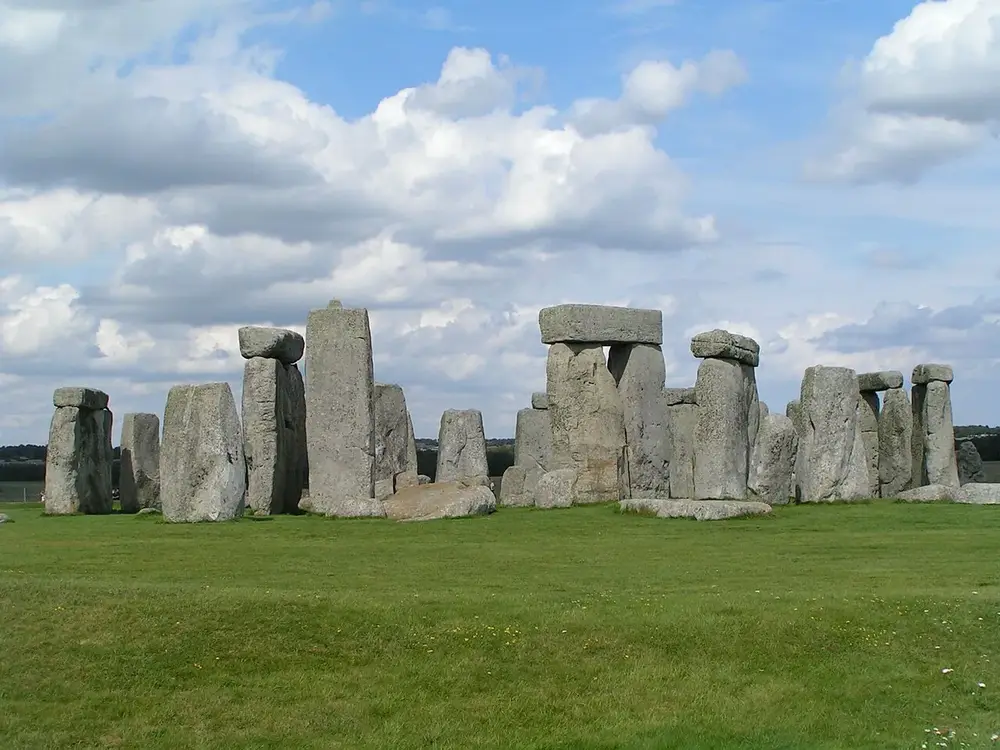
考试常问"巨石阵是谁建的"。答案不是罗马人,也不是凯尔特人或维京人,而是石器时代的早期农耕人群。凯尔特语言(威尔士语、苏格兰和爱尔兰盖尔语的祖先)是铁器时代的特征。
A favourite question is "who built Stonehenge?" Not the Romans, the Celts or the Vikings, but Stone Age farming people. Celtic languages, the ancestors of Welsh and the Gaelic languages, belong to the Iron Age.
罗马时期(公元 43–410 年) ⭐
The Romans (AD 43–410)
- 尤利乌斯·恺撒于公元前 55 年入侵,但没有成功征服。Julius Caesar invaded in 55 BC but did not conquer Britain.
- 公元 43 年,克劳狄乌斯皇帝领导罗马军队成功入侵。In AD 43 Emperor Claudius led a successful Roman invasion.
- 布狄卡(Boudicca)是东英格兰爱西尼部落的女王,起兵反抗罗马;她的雕像在伦敦威斯敏斯特桥旁。Boudicca, queen of the Iceni in eastern England, led a revolt against the Romans; her statue stands by Westminster Bridge in London.
- 苏格兰北部未被征服;哈德良皇帝下令修建哈德良长城以守住北部边界。The north of Scotland was never conquered. Emperor Hadrian built Hadrian's Wall to hold the northern border.
- 罗马人统治约 400 年,修建道路、城镇和公共建筑,带来法律、新的动植物;早期基督徒也在此时出现。The Romans stayed for about 400 years, building roads, towns and public buildings, introducing laws and new plants and animals. The first Christian communities appeared in this period.
- 罗马军队于公元 410 年撤离,回去保卫罗马。The Roman army left in AD 410 to defend other parts of the Empire.
哈德良长城的部分遗迹至今仍在,包括豪斯斯特兹(Housesteads)和文多兰达(Vindolanda)等要塞,是热门的徒步和参观地点,也是世界遗产。
Parts of Hadrian's Wall still stand, including the forts at Housesteads and Vindolanda. It is a popular walking route and a World Heritage Site.
盎格鲁-撒克逊人与维京人 ⭐
Anglo-Saxons and Vikings
- 罗马人撤离后,来自欧洲西北部的朱特人、盎格鲁人和撒克逊人入侵;到约公元 600 年,英格兰已形成多个盎格鲁-撒克逊王国。After the Romans left, Jutes, Angles and Saxons from north-west Europe invaded. By about AD 600, Anglo-Saxon kingdoms covered much of England.
- 威尔士、苏格兰等地保持独立,延续凯尔特文化。Wales and much of Scotland stayed free of Anglo-Saxon rule and kept their Celtic culture.
- 萨福克郡的萨顿胡发现了一位盎格鲁-撒克逊国王的船葬墓。At Sutton Hoo in Suffolk, an Anglo-Saxon king was buried in a ship with treasure and armour.
- 传教士将基督教带到各地:圣帕特里克(爱尔兰守护圣人)、圣科伦巴(在爱奥那岛建修道院)、圣奥古斯丁(坎特伯雷首任大主教)。Missionaries spread Christianity: St Patrick (patron saint of Ireland), St Columba (founded a monastery on Iona) and St Augustine (first Archbishop of Canterbury).
- 维京人于公元 789 年首次来袭,来自丹麦和挪威。The Vikings first came in AD 789, from Denmark and Norway.
- 阿尔弗雷德大帝团结英格兰各王国击败维京人;维京人定居的东部地区称为丹麦法区(Danelaw)。Alfred the Great united the English kingdoms and defeated the Vikings; the area where Vikings settled was called the Danelaw.
- 维京人威胁促使苏格兰人在肯尼思·麦卡尔平统治下统一。丹麦人克努特(Cnut)后来成为英格兰国王。The Viking threat helped unite the Scots under Kenneth MacAlpin. The Danish Cnut later became king of England.
盎格鲁-撒克逊人说的古英语是现代英语的直接祖先;许多英格兰地名也源于这一时期。维京人留下的痕迹同样常见:以 -by 结尾的地名(如 Grimsby、Whitby)通常来自维京定居点。
The Old English spoken by the Anglo-Saxons is the direct ancestor of modern English, and many English place names date from this time. The Vikings left their mark too: place names ending in -by, such as Grimsby and Whitby, usually come from Viking settlements.
诺曼征服(1066) ⭐
The Norman Conquest (1066)
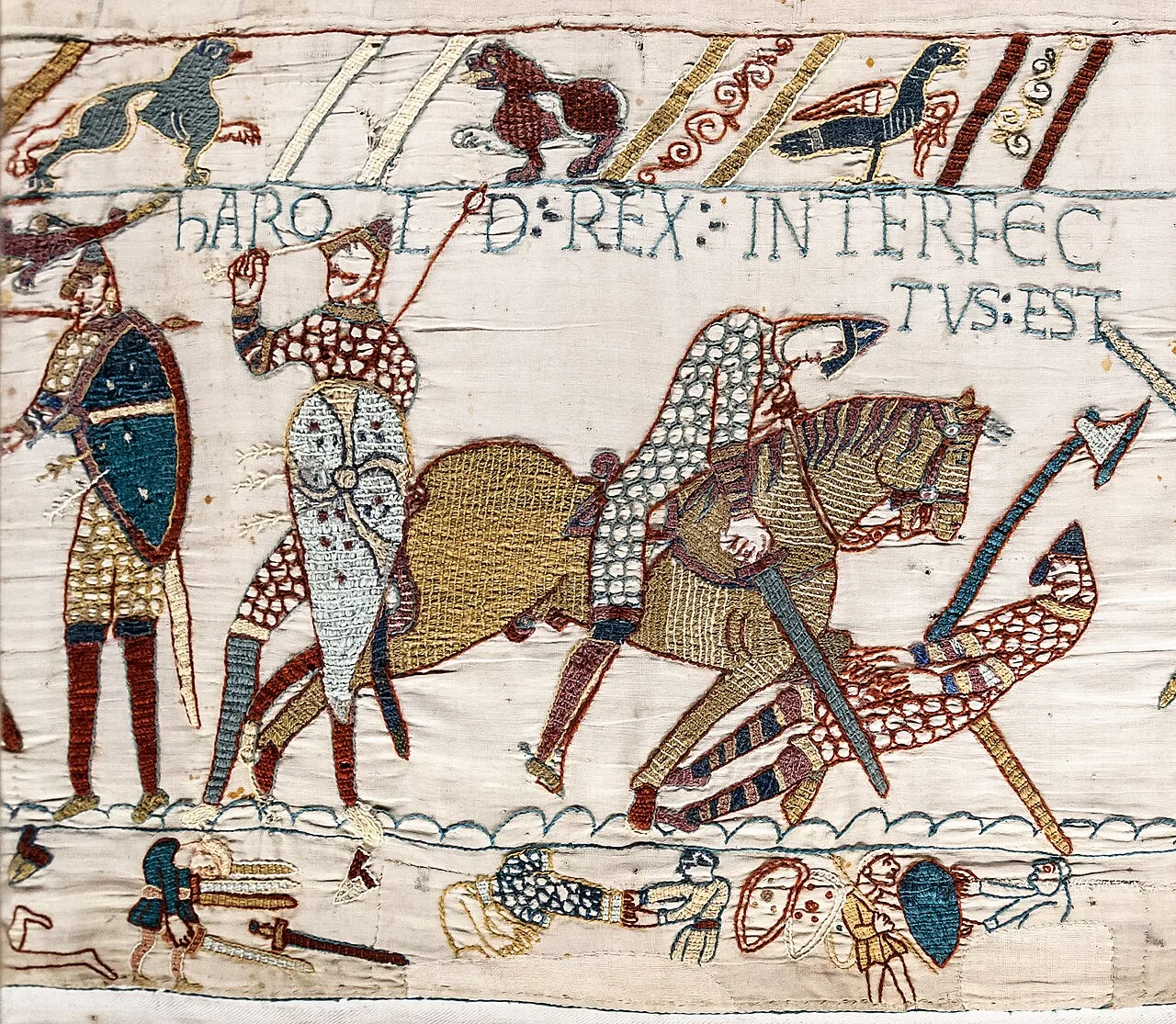
- 1066 年,诺曼底公爵威廉在黑斯廷斯战役中击败英格兰国王哈罗德(Harold),哈罗德阵亡。In 1066, William, Duke of Normandy, defeated the English king Harold at the Battle of Hastings; Harold was killed.
- 威廉成为英格兰国王,被称为征服者威廉。这是最后一次成功的外国入侵英格兰。William became king and is known as William the Conqueror. It was the last successful foreign invasion of England.
- 战役的经过被绣在贝叶挂毯上,现存于法国。The battle is shown on the Bayeux Tapestry, now in France.
- 诺曼人带来诺曼法语,与古英语融合,深刻影响了英语。The Normans brought Norman French, which mixed with Old English and changed the language.
- 威廉下令编写末日审判书(Domesday Book),记录英格兰的城镇、村庄、人口和牲畜。William ordered the Domesday Book, a record of the towns, villages, people and animals of England.
诺曼人建立了封建制度:国王把土地分给贵族,贵族为国王提供军队;在土地上劳作的农奴不能随意离开。诺曼人还入侵了威尔士,但没有征服苏格兰。
The Normans introduced the feudal system: the king gave land to lords, who supplied soldiers in return, while serfs worked the land and could not leave it. The Normans also invaded Wales but did not conquer Scotland.
中世纪(1066–1485) ⭐
The Middle Ages
- 爱德华一世征服威尔士,1284 年《鲁德兰法令》将威尔士并入英格兰王权,并修建了康威、卡那封等城堡。Edward I conquered Wales; the Statute of Rhuddlan (1284) put Wales under the English Crown, and great castles such as Conwy and Caernarfon were built.
- 1314 年,罗伯特·布鲁斯在班诺克本战役中击败英格兰,苏格兰保持独立。In 1314 Robert the Bruce defeated the English at the Battle of Bannockburn, and Scotland stayed independent.
- 英法百年战争实际打了 116 年;1415 年亨利五世赢得阿金库尔战役。The Hundred Years War with France actually lasted 116 years; Henry V won the Battle of Agincourt in 1415.
- 1348 年黑死病夺去英格兰约三分之一人口的生命。The Black Death of 1348 killed about one third of the population of England.
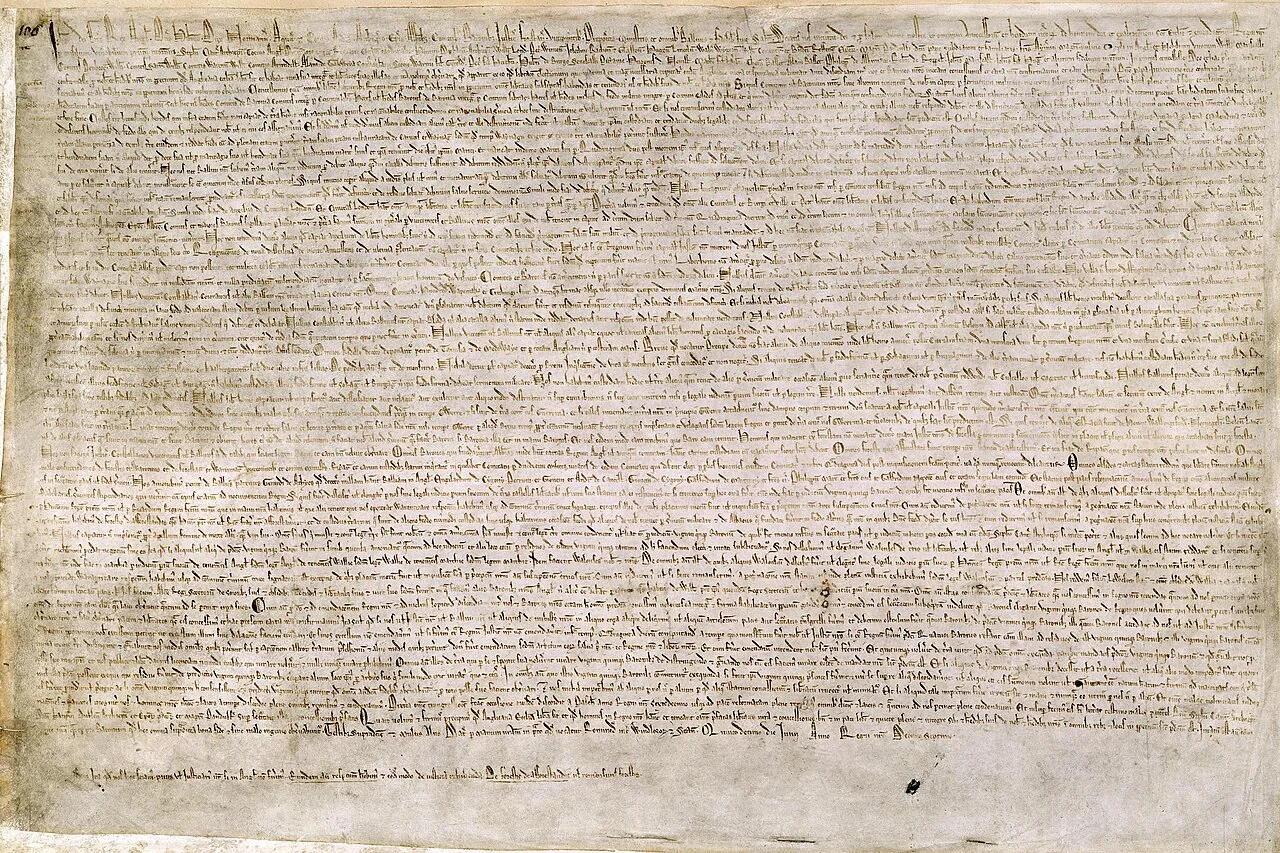
- 1215 年,约翰王被迫签署大宪章,确立"国王也须守法"。In 1215 King John was forced to agree to Magna Carta, which established that even the king had to obey the law.
- 议会逐渐形成上议院(贵族与主教)和下议院(骑士与富裕市民);法官开始独立于政府,形成普通法传统。Parliament developed into the House of Lords (nobles and bishops) and the House of Commons (knights and wealthy townspeople). Judges became independent of the government, and common law developed.
- 乔叟用英语写成《坎特伯雷故事集》;威廉·卡克斯顿是第一个在英格兰用印刷机印书的人。Geoffrey Chaucer wrote The Canterbury Tales in English; William Caxton was the first person in England to print books on a printing press.
- 玫瑰战争(1455 年起):兰开斯特家族(红玫瑰)对约克家族(白玫瑰);1485 年博斯沃思战役中理查三世阵亡,亨利·都铎成为亨利七世。The Wars of the Roses (from 1455): the House of Lancaster (red rose) against the House of York (white rose). At the Battle of Bosworth Field in 1485 Richard III was killed and Henry Tudor became Henry VII.
黑死病之后劳动力短缺,幸存的农民可以要求更高的工资,旧的封建制度开始松动,社会流动增加。中世纪也是大教堂兴建的时代,如林肯大教堂和约克大教堂,许多教堂的彩色玻璃窗讲述着圣经故事。
After the Black Death there were too few workers, so surviving peasants could demand higher wages; the old feudal system began to break down. The Middle Ages were also the age of great cathedrals such as Lincoln and York Minster, whose stained-glass windows told Bible stories.
都铎王朝(1485–1603) ⭐
The Tudors
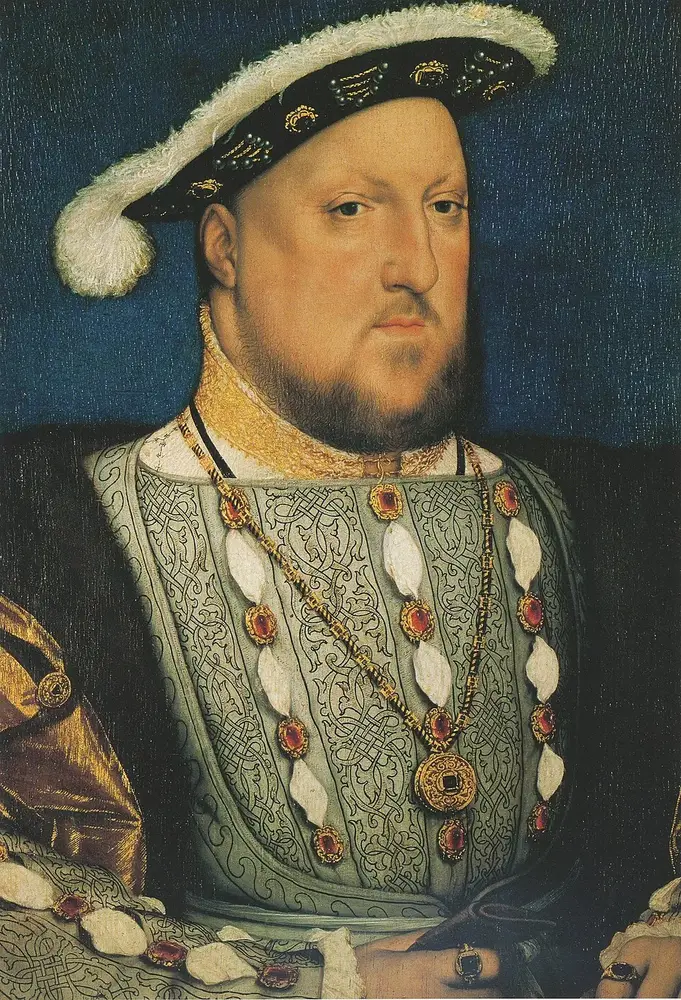
- 亨利七世结束内战,加强王权;其子亨利八世最为人熟知,娶过六位妻子。Henry VII ended the civil war and strengthened royal power. His son Henry VIII is best known for having six wives.
- 教皇拒绝批准亨利八世与阿拉贡的凯瑟琳离婚,亨利八世与罗马教会决裂,成立英格兰教会,自任领袖。When the Pope refused to let Henry VIII divorce Catherine of Aragon, Henry broke from the Church of Rome and set up the Church of England, with himself as its head.
- 亨利八世时期,《威尔士法令》将威尔士正式并入英格兰。Under Henry VIII, the Act for the Government of Wales formally united Wales with England.
- 宗教改革:新教在英格兰兴起;爱德华六世推行新教,玛丽一世恢复天主教("血腥玛丽")。The Reformation spread Protestantism. Edward VI was a firm Protestant; Mary I ("Bloody Mary") restored Catholicism.
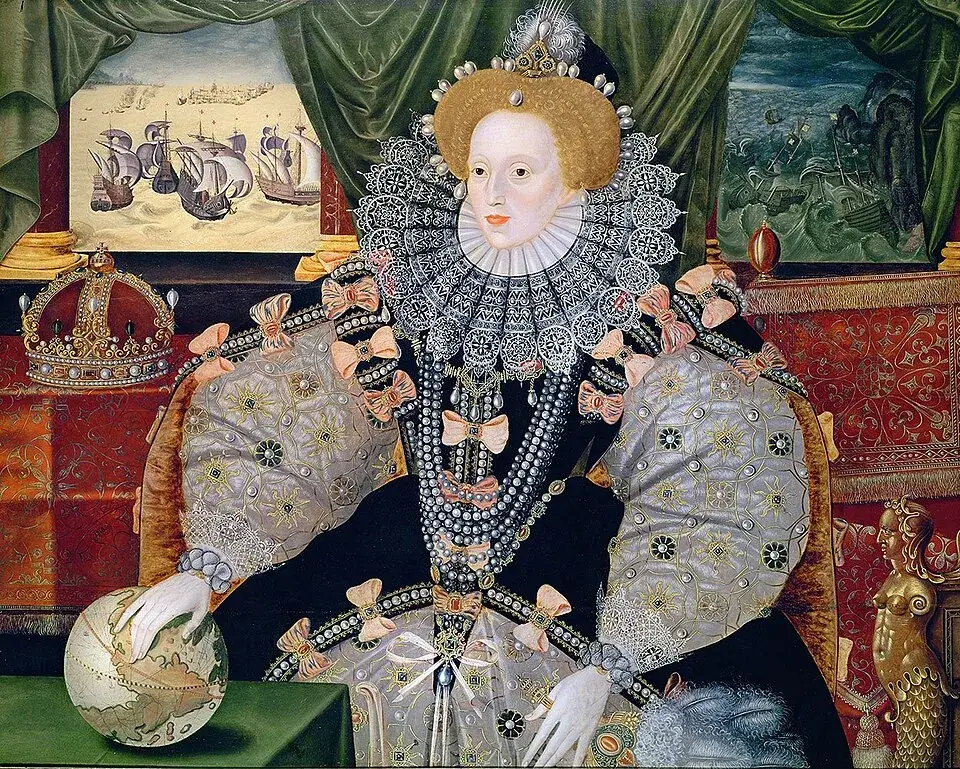
- 伊丽莎白一世(新教)在 1588 年击败西班牙无敌舰队;她终身未婚,是都铎王朝最后一位君主。Elizabeth I, a Protestant, defeated the Spanish Armada in 1588. She never married and was the last Tudor monarch.
- 弗朗西斯·德雷克驾"金鹿号"完成环球航行;威廉·莎士比亚(1564–1616)是这一时代最伟大的剧作家。Sir Francis Drake sailed around the world in the Golden Hind; William Shakespeare (1564–1616) was the greatest playwright of the age.
- 苏格兰女王玛丽·斯图亚特逃到英格兰,被伊丽莎白一世关押约 20 年后处决。Mary, Queen of Scots fled to England, where Elizabeth I held her for about 20 years and then had her executed.
| 顺序 Order | 妻子 Wife | 结局 Outcome |
|---|---|---|
| 1 | Catherine of Aragon | 离婚(玛丽一世之母) Divorced (mother of Mary I) |
| 2 | Anne Boleyn | 被处决(伊丽莎白一世之母) Executed (mother of Elizabeth I) |
| 3 | Jane Seymour | 生下爱德华六世后去世 Died after giving birth to Edward VI |
| 4 | Anne of Cleves | 离婚 Divorced |
| 5 | Catherine Howard | 被处决 Executed |
| 6 | Catherine Parr | 比亨利活得久 Outlived Henry |
斯图亚特王朝:内战、共和与光荣革命 ⭐
The Stuarts, civil war and the Glorious Revolution
- 1603 年伊丽莎白一世去世,苏格兰国王詹姆斯六世同时成为英格兰的詹姆斯一世("王冠联合");他下令翻译的钦定版圣经影响深远。When Elizabeth I died in 1603, James VI of Scotland also became James I of England. The King James Bible he commissioned was hugely influential.
- 爱尔兰:新教徒被安置到北部阿尔斯特等地的"种植园",埋下长期冲突的种子。In Ireland, Protestant settlers were given land in "plantations", especially in Ulster in the north, sowing the seeds of long conflict.
- 1605 年火药阴谋:盖伊·福克斯等人企图炸毁议会,失败。每年 11 月 5 日为篝火之夜。In the Gunpowder Plot of 1605, Guy Fawkes and others tried to blow up Parliament and failed; 5 November is Bonfire Night.
- 1642 年,查理一世与议会爆发内战:保王党(Cavaliers)对议会派(Roundheads)。In 1642 the Civil War broke out between Charles I and Parliament: the Cavaliers against the Roundheads.
- 1649 年查理一世被处决,英格兰成为共和国(Commonwealth);奥利弗·克伦威尔后来成为"护国公"。Charles I was executed in 1649 and England became a republic, the Commonwealth. Oliver Cromwell later became Lord Protector.
- 1660 年王政复辟,查理二世即位。1665 年大瘟疫,1666 年伦敦大火,之后克里斯托弗·雷恩重建圣保罗大教堂。The monarchy was restored in 1660 under Charles II. The Great Plague came in 1665 and the Great Fire of London in 1666; Sir Christopher Wren rebuilt St Paul's Cathedral.
- 1679 年《人身保护法》(Habeas Corpus):未经法庭审理不得关押任何人。The Habeas Corpus Act 1679: no one could be held in prison unlawfully without going before a court.
- 1688 年光荣革命:信奉天主教的詹姆斯二世被推翻,奥兰治的威廉与妻子玛丽共同即位;1689 年《权利法案》确立议会权力,形成君主立宪制。In the Glorious Revolution of 1688, Catholic James II was replaced by William of Orange and his wife Mary. The Bill of Rights 1689 confirmed the rights of Parliament and created a constitutional monarchy.
- 1707 年《联合法》将英格兰(含威尔士)与苏格兰合并为大不列颠王国,苏格兰保留自己的法律和教会。The Act of Union 1707 joined England (with Wales) and Scotland into the Kingdom of Great Britain; Scotland kept its own legal system and church.
- 罗伯特·沃波尔(1721–1742)被视为英国第一位首相。Sir Robert Walpole (1721–1742) is regarded as the first Prime Minister.
- 1745 年詹姆斯党人起义,"英俊王子查理"在 1746 年卡洛登战役中战败。In the Jacobite rising of 1745, Bonnie Prince Charlie was defeated at the Battle of Culloden in 1746.
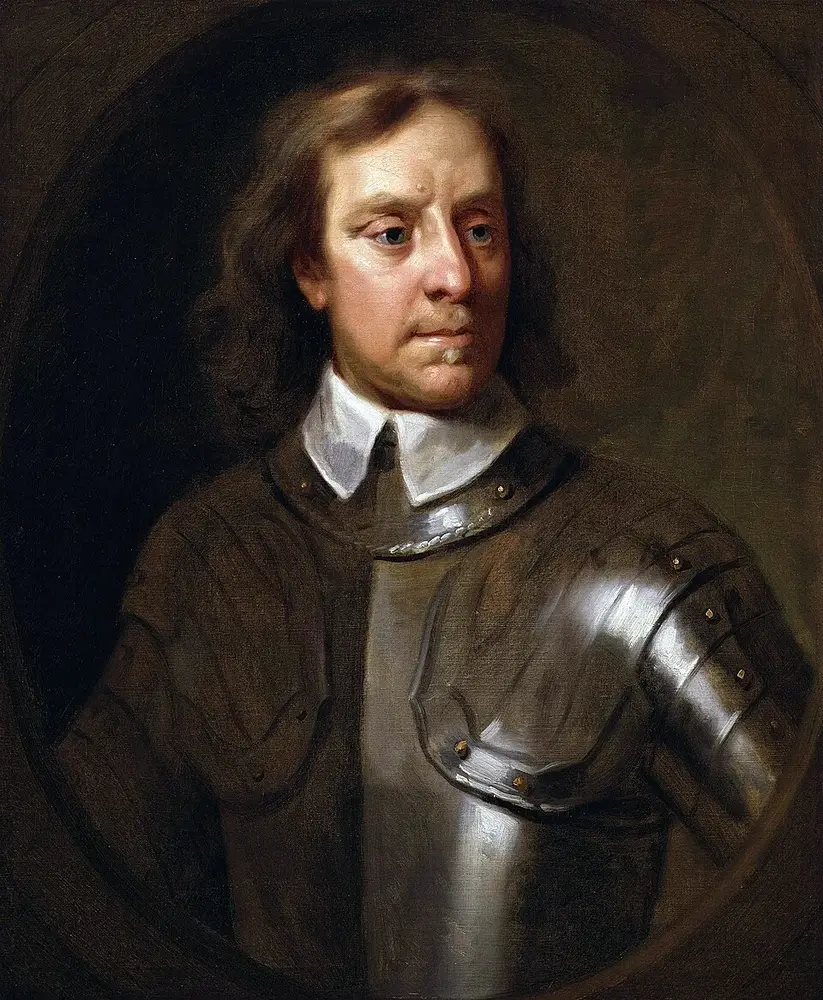
克伦威尔 1658 年去世后,他的儿子理查德无力维持局面,议会请回查理二世。复辟时期科学繁荣:皇家学会成立,艾萨克·牛顿发现万有引力定律。
After Cromwell died in 1658 his son Richard could not hold power, and Parliament invited Charles II back. Science flourished under the Restoration: the Royal Society was founded and Isaac Newton described gravity.
光荣革命被称为"光荣",是因为在英格兰几乎没有流血;但在爱尔兰,詹姆斯二世的支持者在 1690 年博因河战役中被威廉击败。从此以后,君主必须与议会合作,议会每年召开。
The Glorious Revolution is called "glorious" because there was almost no fighting in England. In Ireland, though, William defeated James II's supporters at the Battle of the Boyne in 1690. From then on the monarch had to work with Parliament, which met every year.
启蒙、工业革命与帝国(18–19 世纪) ⭐
Enlightenment, industry and empire
- 启蒙运动:经济学家亚当·斯密、哲学家大卫·休谟、发明家詹姆斯·瓦特(改进蒸汽机)都是苏格兰人。In the Enlightenment, economist Adam Smith, philosopher David Hume and inventor James Watt (who improved the steam engine) were all Scottish.
- 工业革命使英国成为第一个工业化国家:理查德·阿克赖特发展了纺织机械,贝塞麦炼钢法使钢铁大规模生产成为可能。The Industrial Revolution made Britain the first industrial nation. Richard Arkwright developed textile machinery, and the Bessemer process made mass production of steel possible.
- 奴隶贸易于 1807 年被废除,大英帝国境内的奴隶制于 1833 年被废除;威廉·威尔伯福斯是废奴运动的领袖,贵格会是最早的反奴隶制群体之一。The slave trade was abolished in 1807, and slavery throughout the British Empire in 1833. William Wilberforce led the campaign, and the Quakers were among the first to oppose slavery.
- 1805 年特拉法加海战:海军上将纳尔逊击败法国和西班牙舰队,阵亡;1815 年滑铁卢战役:威灵顿公爵击败拿破仑。Admiral Nelson defeated the French and Spanish fleets at the Battle of Trafalgar (1805) and died; the Duke of Wellington defeated Napoleon at Waterloo (1815).
- 1801 年爱尔兰并入,形成大不列颠及爱尔兰联合王国。In 1801 Ireland was joined to create the United Kingdom of Great Britain and Ireland.
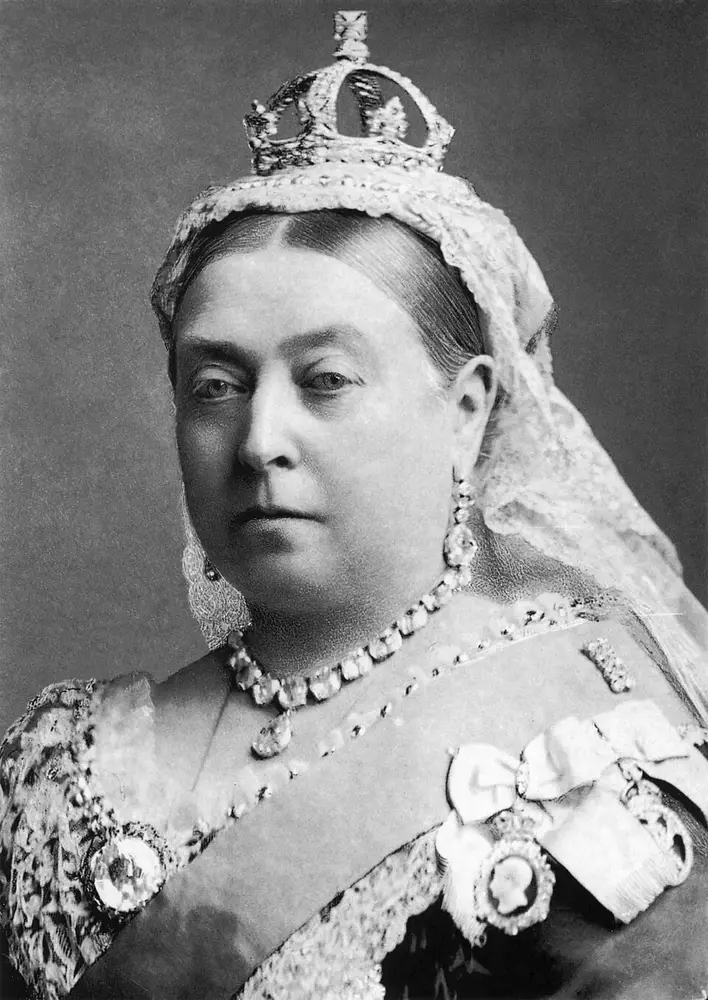
- 维多利亚女王在位 1837–1901 年,大英帝国达到鼎盛,统治全球约四分之一人口。Queen Victoria reigned from 1837 to 1901, when the British Empire reached its height, covering about a quarter of the world's population.
- 1832 年《改革法案》扩大选举权;宪章运动争取所有男性的投票权。The Reform Act 1832 widened the vote, and the Chartists campaigned for votes for all men.
- 弗洛伦斯·南丁格尔在克里米亚战争中护理伤员,被视为现代护理的奠基人。Florence Nightingale nursed soldiers in the Crimean War and is seen as the founder of modern nursing.
- 伊桑巴德·金德姆·布鲁内尔设计了大西部铁路、桥梁和轮船。Isambard Kingdom Brunel built the Great Western Railway, bridges and ships.
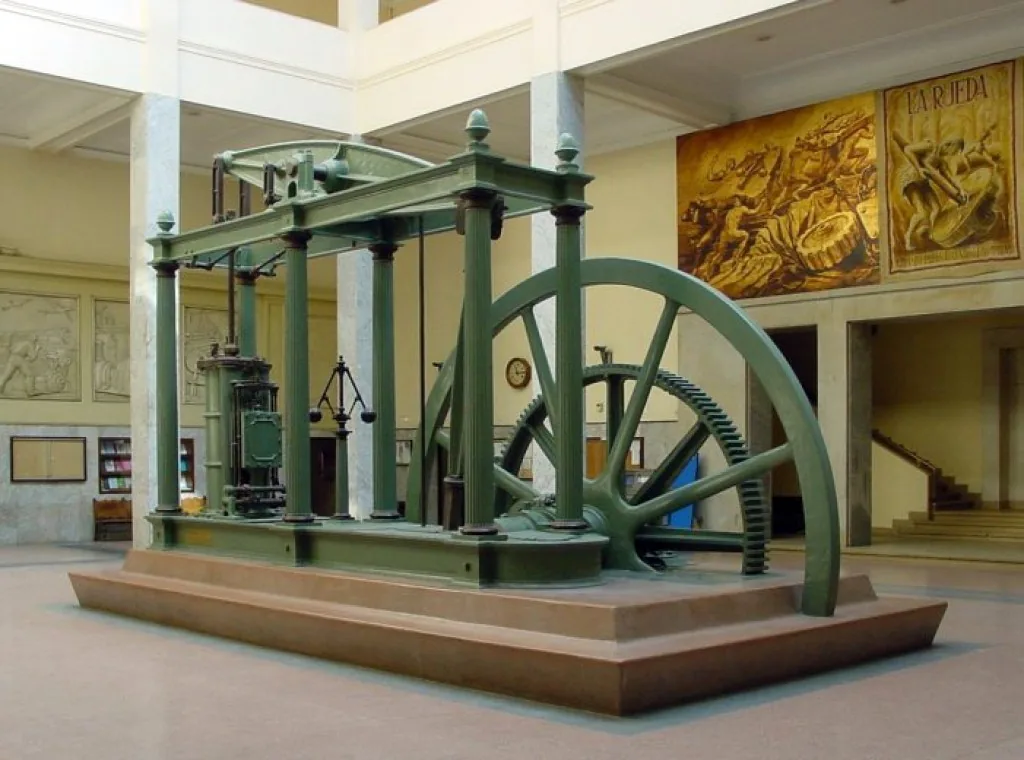
工业革命也带来了恶劣的劳动条件:童工、长工时和拥挤的城市。19 世纪,议会陆续通过法律改善工厂条件;1870 年和 1882 年的法律让已婚女性保有自己的财产和收入。
The Industrial Revolution also brought harsh working conditions: child labour, long hours and crowded cities. During the 19th century Parliament passed laws to improve factories, and laws of 1870 and 1882 allowed married women to keep their own earnings and property.
19 世纪 40 年代,爱尔兰马铃薯歉收引发大饥荒,约一百万人死亡,大批人移民英国本土和美国。
In the 1840s the potato crop failed in Ireland, causing a famine in which about a million people died and many more emigrated to Britain and the USA.
- 1807废除奴隶贸易Slave trade abolished
- 1832《改革法案》Reform Act
- 1833废除帝国境内奴隶制Slavery abolished in the Empire
- 1851万国工业博览会(水晶宫)The Great Exhibition at the Crystal Palace
- 1870/1882已婚女性财产权Married women's property rights
20 世纪:两次世界大战 ⭐
The 20th century: two world wars
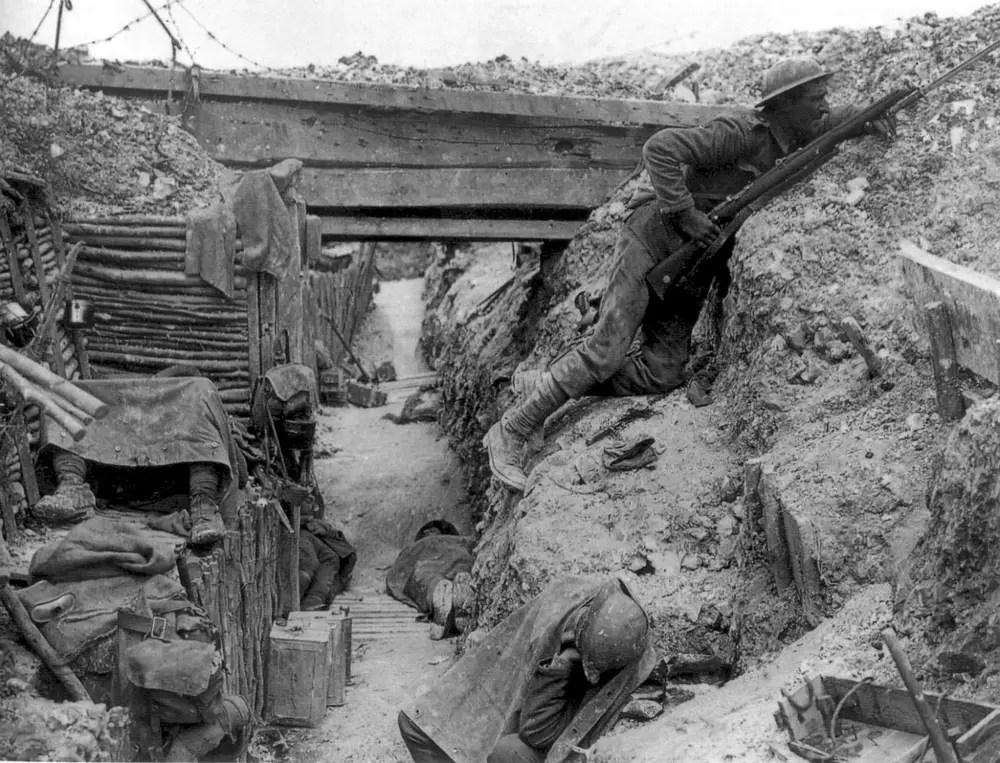
- 第一次世界大战 1914 年爆发,1918 年 11 月 11 日上午 11 点停战。The First World War began in 1914 and ended at 11am on 11 November 1918.
- 1916 年索姆河战役首日,英军伤亡约 6 万人。On the first day of the Battle of the Somme (1916) the British suffered about 60,000 casualties.
- 女性争取投票权:埃米琳·潘克赫斯特领导"妇女参政运动";1918 年 30 岁以上女性获投票权,1928 年女性与男性在 21 岁获得同等投票权。Women won the vote after the suffragette campaign led by Emmeline Pankhurst: women over 30 in 1918, and at 21, the same age as men, in 1928.
- 1922 年爱尔兰南部独立(后为爱尔兰共和国),北爱尔兰留在英国。In 1922 the south of Ireland became independent (later the Republic of Ireland), while Northern Ireland stayed in the UK.
- 第二次世界大战:英国于 1939 年 9 月 3 日对德宣战;温斯顿·丘吉尔 1940 年任首相。In the Second World War Britain declared war on Germany on 3 September 1939. Winston Churchill became Prime Minister in 1940.
- 1940 年敦刻尔克大撤退救出 30 多万士兵;同年不列颠之战中皇家空军击退德国空军;德国随后对英国城市实施"闪电战"轰炸。The Dunkirk evacuation (1940) rescued over 300,000 soldiers. That summer the RAF won the Battle of Britain against the German air force, which then bombed British cities in the Blitz.
- 1944 年 6 月 6 日诺曼底登陆(D-Day);1945 年 5 月 8 日欧洲战事结束;日本在原子弹袭击后于 1945 年 8 月投降。Allied forces landed in Normandy on D-Day, 6 June 1944; the war in Europe ended on 8 May 1945, and Japan surrendered in August 1945 after atomic bombs were dropped.
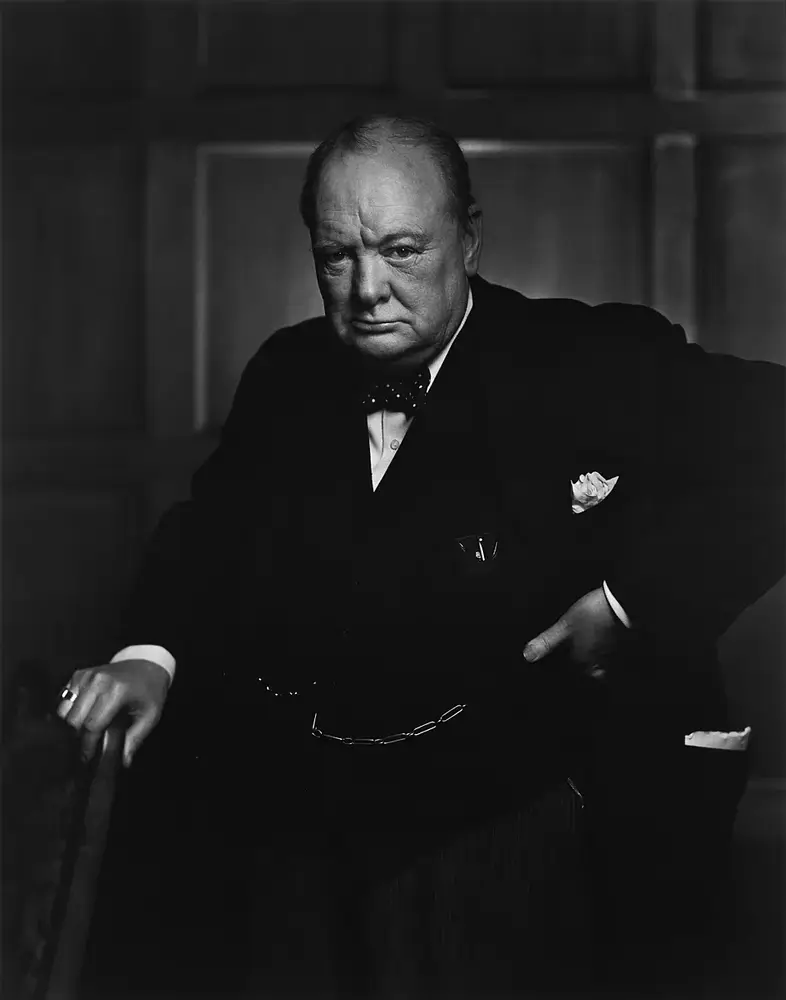
丘吉尔的名言之一是 1940 年在下议院说的 "We shall fight on the beaches"(我们将在海滩上战斗)。他 1945 年大选失利,1951 年再次出任首相。2002 年,他在 BBC 的评选中被选为"最伟大的英国人"。
One of Churchill's best-known speeches was "We shall fight on the beaches", in the House of Commons in 1940. He lost the 1945 election but became Prime Minister again in 1951, and in 2002 he was voted the greatest Briton of all time in a BBC poll.
亚历山大·弗莱明 1928 年发现青霉素,战时开始大规模生产,挽救了无数生命。
Alexander Fleming discovered penicillin in 1928; it was mass-produced during the war and saved countless lives.
战后英国至今 ⭐
Britain since 1945
- 1945 年,克莱门特·艾德礼领导的工党政府建立福利国家。In 1945 Clement Attlee's Labour government created the welfare state.
- 1948 年,卫生大臣安奈林·贝文主持成立国民医疗服务体系(NHS),看病免费。In 1948 Health Minister Aneurin (Nye) Bevan led the founding of the National Health Service (NHS), with healthcare free at the point of use.
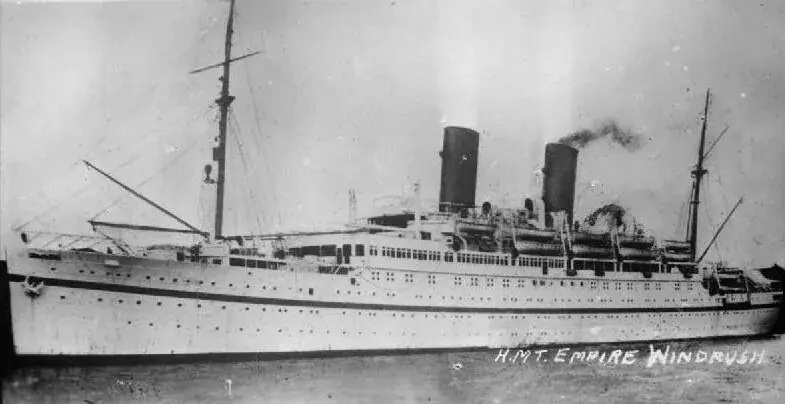
- 1948 年"帝国疾风号"载着来自加勒比的移民抵达,帮助战后重建。In 1948 the Empire Windrush brought people from the Caribbean to help rebuild post-war Britain.
- 1947 年印度、巴基斯坦独立,帝国逐步转变为英联邦。India and Pakistan became independent in 1947, and the Empire gradually became the Commonwealth.
- 1973 年英国加入欧洲经济共同体(EEC)。The UK joined the European Economic Community (EEC) in 1973.
- 玛格丽特·撒切尔是英国第一位女首相(1979–1990)。Margaret Thatcher was the UK's first woman Prime Minister (1979–1990).
- 1998 年《耶稣受难日协议》为北爱尔兰带来和平;1999 年苏格兰议会和威尔士议会成立。The Good Friday Agreement (1998) brought peace to Northern Ireland; the Scottish Parliament and the Welsh Assembly were set up in 1999.
英国的发明与发现British inventions and discoveries
| English | 中文 | 说明 |
|---|---|---|
| John Logie Baird | 约翰·洛吉·贝尔德 | 1920 年代研制出电视。 |
| Robert Watson-Watt | 罗伯特·沃森-瓦特 | 提出雷达的应用,二战中发挥关键作用。 |
| Frank Whittle | 弗兰克·惠特尔 | 1930 年代发明喷气发动机。 |
| Alan Turing | 艾伦·图灵 | 提出"图灵机"理论,为现代计算机奠基。 |
| Christopher Cockerell | 克里斯托弗·科克雷尔 | 发明气垫船。 |
| Robert Edwards & Patrick Steptoe | 爱德华兹与斯特普托 | 开创试管婴儿(IVF),1978 年首例诞生。 |
| James Goodfellow | 詹姆斯·古德费洛 | 1960 年代发明自动取款机(ATM)与 PIN 码。 |
| Ian Wilmut & Keith Campbell | 威尔穆特与坎贝尔 | 1996 年克隆出多莉羊,第一只克隆哺乳动物。 |
| Sir Peter Mansfield | 彼得·曼斯菲尔德 | 共同发明核磁共振成像(MRI)。 |
| Sir Tim Berners-Lee | 蒂姆·伯纳斯-李 | 1990 年发明万维网(World Wide Web)。 |
手册出版之后的重要变化Changes since the handbook was published
- 2016全民公投决定脱离欧盟Referendum vote to leave the EU
- 20201 月 31 日英国正式脱离欧盟The UK left the EU on 31 January
- 20229 月 8 日伊丽莎白二世去世,查尔斯三世继位Elizabeth II died on 8 September; Charles III became king
- 2026世袭贵族不再自动拥有上议院席位Hereditary peers no longer sit in the Lords by right
本章自测
Quick check
点选答案即可看到对错和解析。想按真实考试节奏练习,请做整套模拟题。
Syllabus points are our own summary of the topics in the official handbook Life in the United Kingdom: A Guide for New Residents (3rd edition). They are not quotations from it. Facts that have changed since the handbook was published are marked.
考纲要点为本站根据官方手册《Life in the United Kingdom: A Guide for New Residents》(第三版)考查范围自行整理,并非手册原文;手册出版后已发生变化的事实已注明。最后核实:2026年10月。